CASE Study: Clorox
Understanding cleaning through the language of help
scenarioDNA helped Clorox explore how the meaning of cleaning was changing. Analysis of cleaning conversations identified the emotional significance of help, creating a foundation for language and innovation platforms centered on care and efficacy.
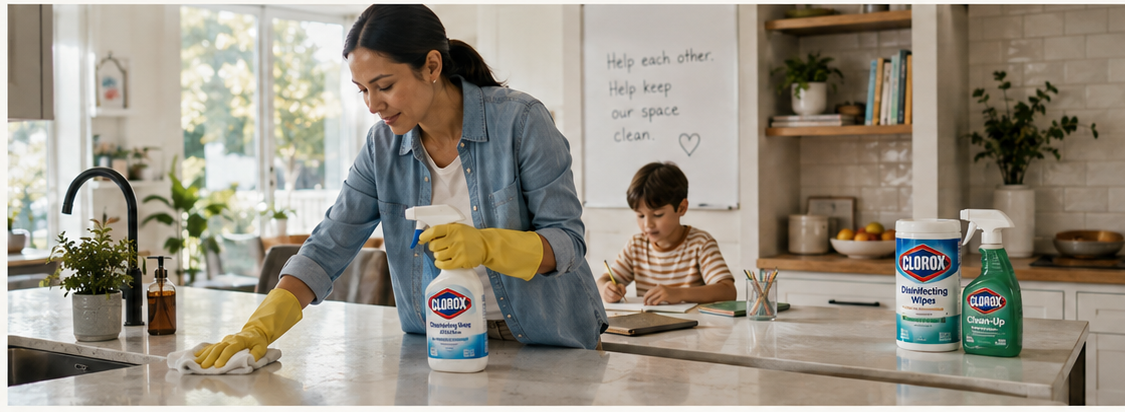
Key Insight: Help connected the practical task of cleaning with its emotional meaning.
The question: What do people need from cleaning?
Clorox wanted to move beyond being seen as a necessary household chemical. Understanding that challenge meant looking at the emotional meaning of cleaning alongside its practical purpose. What kind of help were people seeking, and how could the brand respond?
The research: Listening for the meaning of help
We examined cleaning conversations and identified help as a central word. Unpacking its emotional resonance opened a way to understand cleaning through care as well as performance. That language became a starting point for thinking about the role Clorox could play in people's lives.
The application: Bringing cultural insight into R&D
We developed language and innovation platforms and led scientists through field tours and rapid prototyping. This connected the cultural finding to the people developing products, giving teams a way to explore what care and efficacy could mean in practice. The work informed product development and a broader framing of the brand's role in cleaning.
Explore our approach: Culture Mapping · Cultural Research & Intelligence